Together with national and international societies, the platform supports the exchange of expertise and promotes young academics in the various fields of chemistry.more

Image: Cavan Images, stock.adobe.commore

Chemical Landmarks

The Platform Chemistry established the program «Chemical Landmarks» to identify and manifest the scientific and technological heritage by awarding sites which have played a significant role in the history of chemistry in Switzerland.

Switzerland in particular owes a major part of its wealth to chemistry with its discoveries and successes in research and the ensuing chemical industry. The goal of the program is to recognise historical sites where distinguished chemists or important chemical breakthroughs were made and to emphasize and foster public interest in the chemical sciences.

Annually, one historic site is selected and awarded during an official ceremonial act.

All Chemical Landmarks to date:

Villa Frisia in Arosa
Villa Frisia in ArosaImage: Gregor Forster
Image: Gregor Forster

«Chemical Landmark» 2026

In Arosa formulierte Erwin Schrödinger die Schrödinger-Gleichung - eine zentrale Grundlage der Quantenmechanik, welche Wissenschaft und Gesellschaft bis heute prägt.

Pionierinnen der Chemie vor ehem. Kantonsschule
Pionierinnen der Chemie vor ehem. KantonsschuleImage: Illustrationen: Gregor Forster, Foto: Leo Merz, Komposition: Monique Borer
Image: Illustrationen: Gregor Forster, Foto: Leo Merz, Komposition: Monique Borer
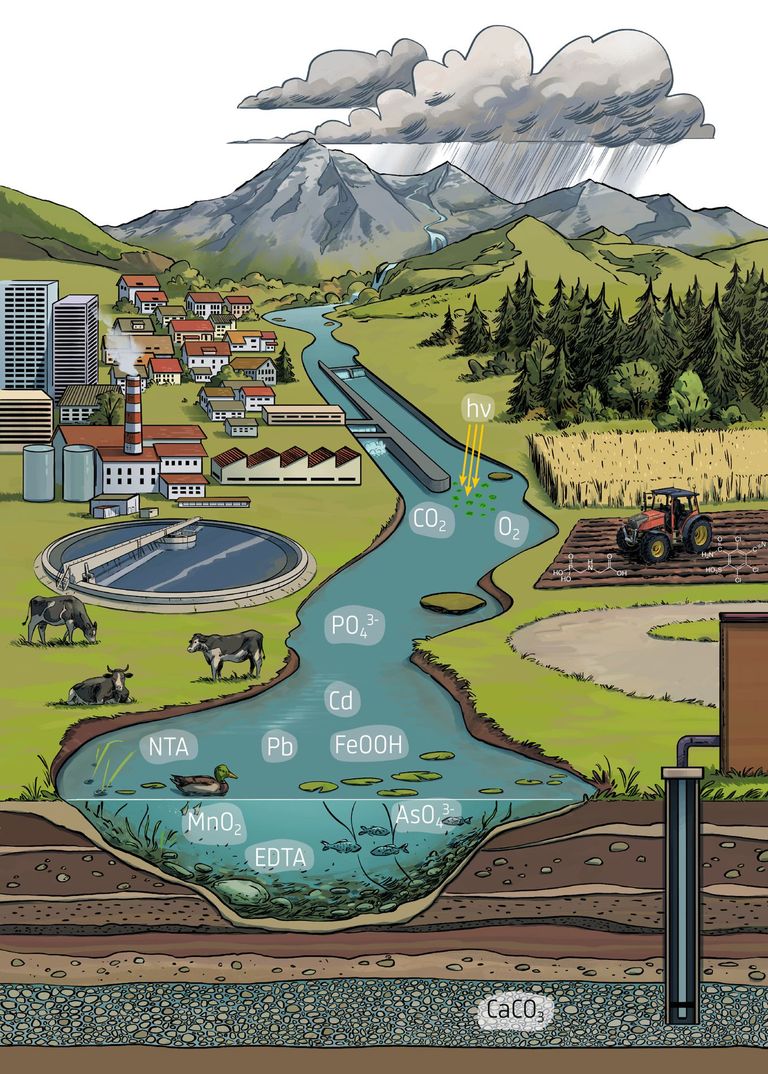
Illustration CL 22 Eawag
Illustration CL 22 EawagImage: Gregor Forster / Illustration: Monique Borer
Image: Gregor Forster / Illustration: Monique Borer
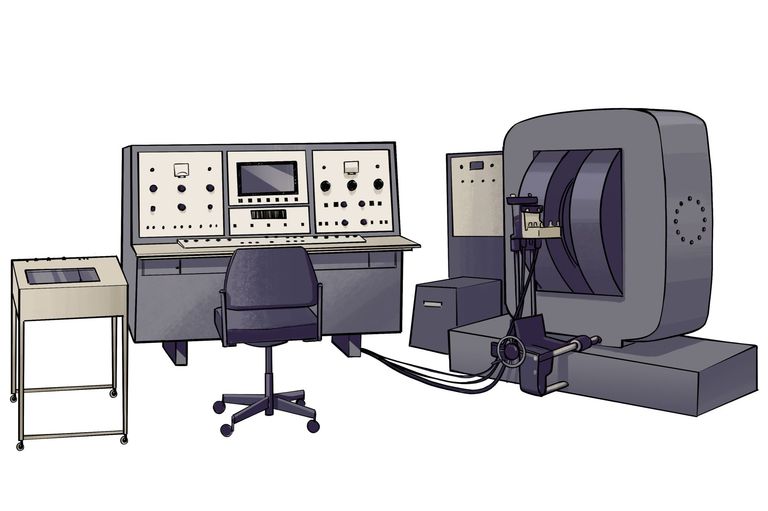
1967 brachte Spectrospin (heute Bruker) das erste, vollständig transistorbasierte NMR-Spektrometer auf den Markt. Mit dem HFX-90 konnten völlig neue Experimente durchgeführt werden.
1967 brachte Spectrospin (heute Bruker) das erste, vollständig transistorbasierte NMR-Spektrometer auf den Markt. Mit dem HFX-90 konnten völlig neue Experimente durchgeführt werden.Image: Gregor Forster
Image: Gregor Forster
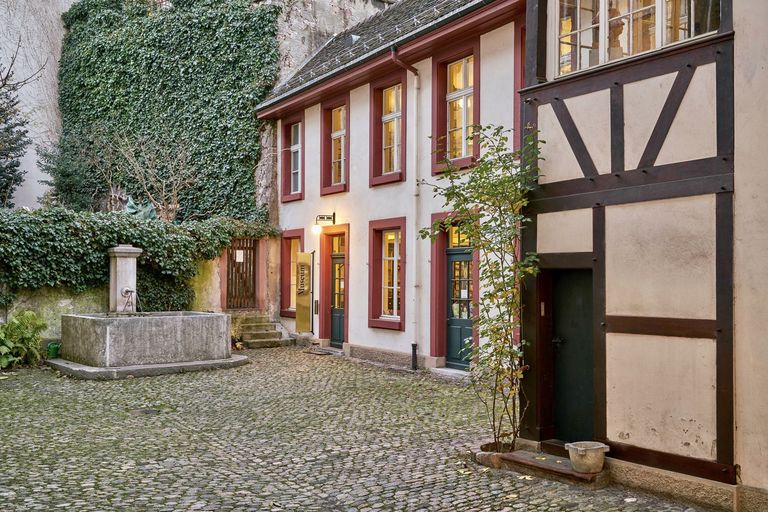
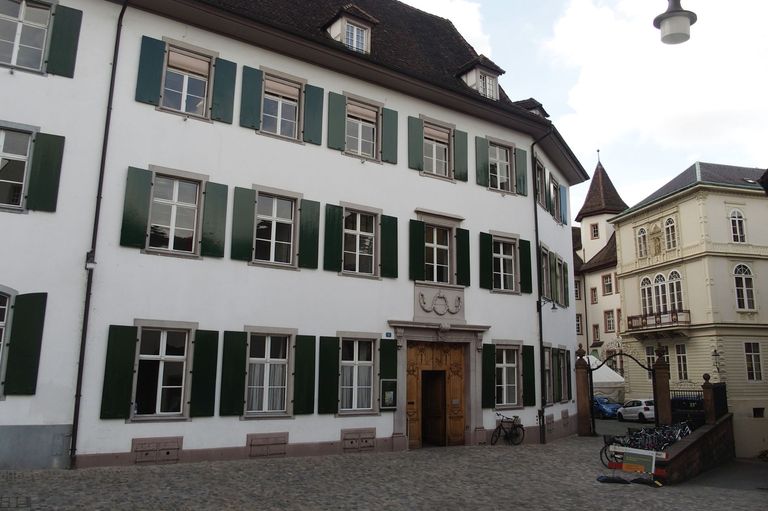
Im Haus Zum Vorderen Sessel am Totengässlein 3 in Basel arbeitete Paracelsus.
Im Haus Zum Vorderen Sessel am Totengässlein 3 in Basel arbeitete Paracelsus.Image: Daniel Spehr
Image: Daniel Spehr
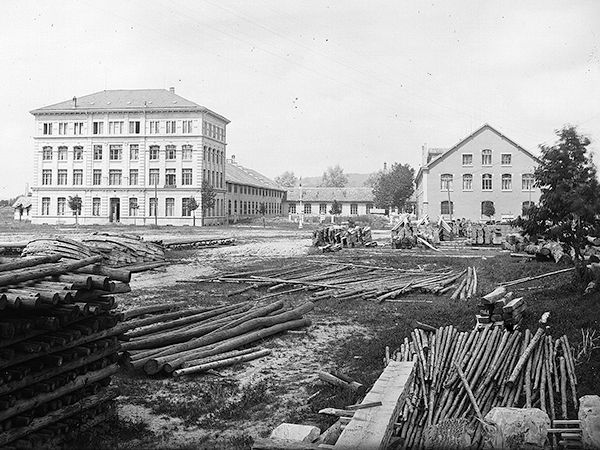
Links der «Neubau» für die naturwiss. Fakultät, in der Bildmitte die ehem. Waggonfabrik in der das Chemieinstitut angesiedelt wurde.
Links der «Neubau» für die naturwiss. Fakultät, in der Bildmitte die ehem. Waggonfabrik in der das Chemieinstitut angesiedelt wurde.Image: Service des biens culturels Fribourg. Fonds Héribert Reiners
Image: Service des biens culturels Fribourg. Fonds Héribert Reiners
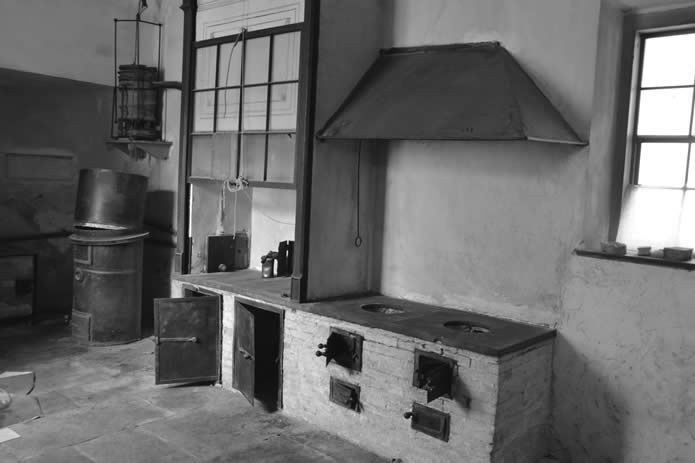
The laboratory in Reichnau Castle
The laboratory in Reichnau CastleImage: Barbara Winter-Werner
Image: Barbara Winter-Werner
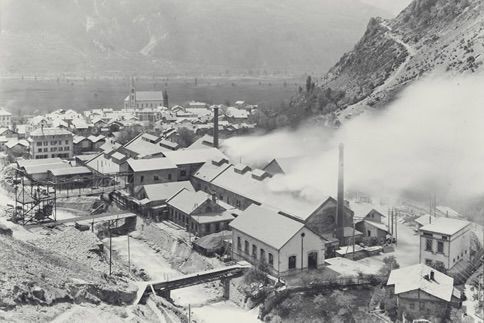
The first site of Lonza in Gampel was built in 1897
The first site of Lonza in Gampel was built in 1897Image: Lonza AG
Image: Lonza AG
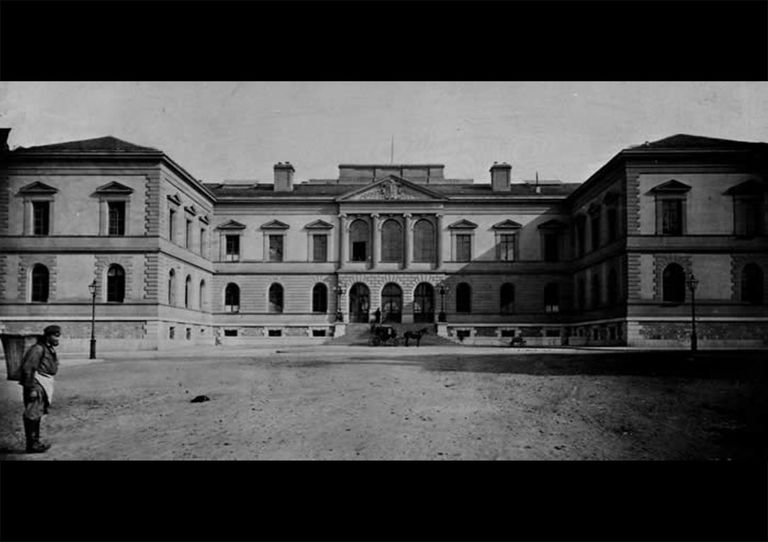
Uni Bastions an der 5, rue De-Candolle
Uni Bastions an der 5, rue De-CandolleImage: BGE, Centre d'iconographie genevoise
Image: BGE, Centre d'iconographie genevoise
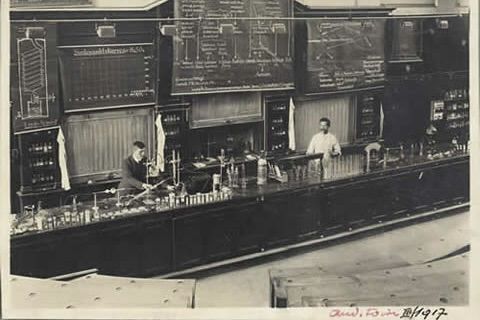
TH/Chemiegebäude, interior view, lecture hall D2 for inorganic and organic chemistry in 1917, on the left: Prof. Hans Fierz
TH/Chemiegebäude, interior view, lecture hall D2 for inorganic and organic chemistry in 1917, on the left: Prof. Hans FierzImage: ETH-Bibliothek Zürich, Bildarchiv
Image: ETH-Bibliothek Zürich, Bildarchiv
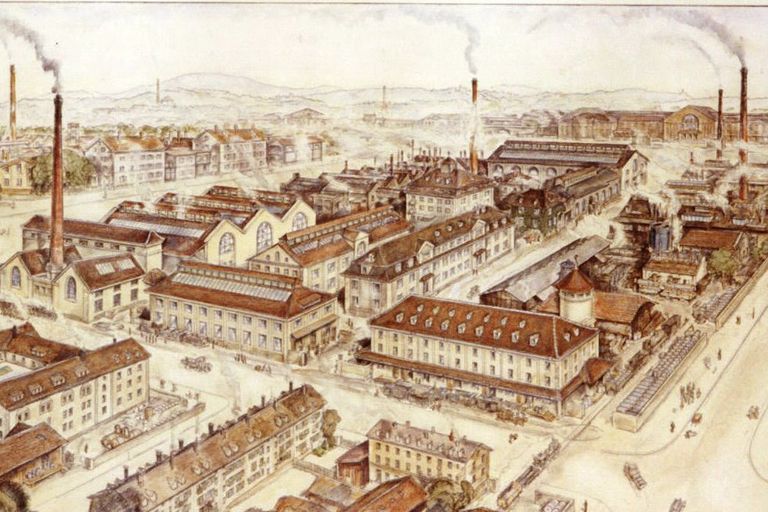
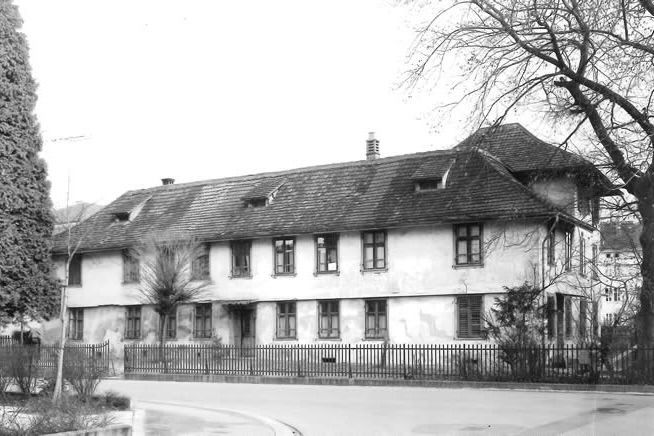
Main building of the «Laboratorium» in 1960
Main building of the «Laboratorium» in 1960Image: Winterthurer Bibliotheken, Sondersammlungen
Image: Winterthurer Bibliotheken, Sondersammlungen
Chemical Landmark GedenktafelLoad content from Youtube LLC (Google LLC)
The Swiss Academy of Sciences has honoured the University of Zurich with a Chemical Landmark award as a significant historic site for chemistry. UZH was the global pioneer for the first female doctors of chemistry.Image: Andres Jordi (SCNAT)

Nominations for the next round of designations are now open:

Everyone – chemist or non-chemist, historian or non-historian – is encouraged to submit their nomination to the «Platform Chemistry».


The proposals will be reviewed by a committee of chemists, chemical engineers, and science historians.

Contact
SCNAT
Platform Chemistry
Laupenstrasse 7
3008 Bern